
Introduction
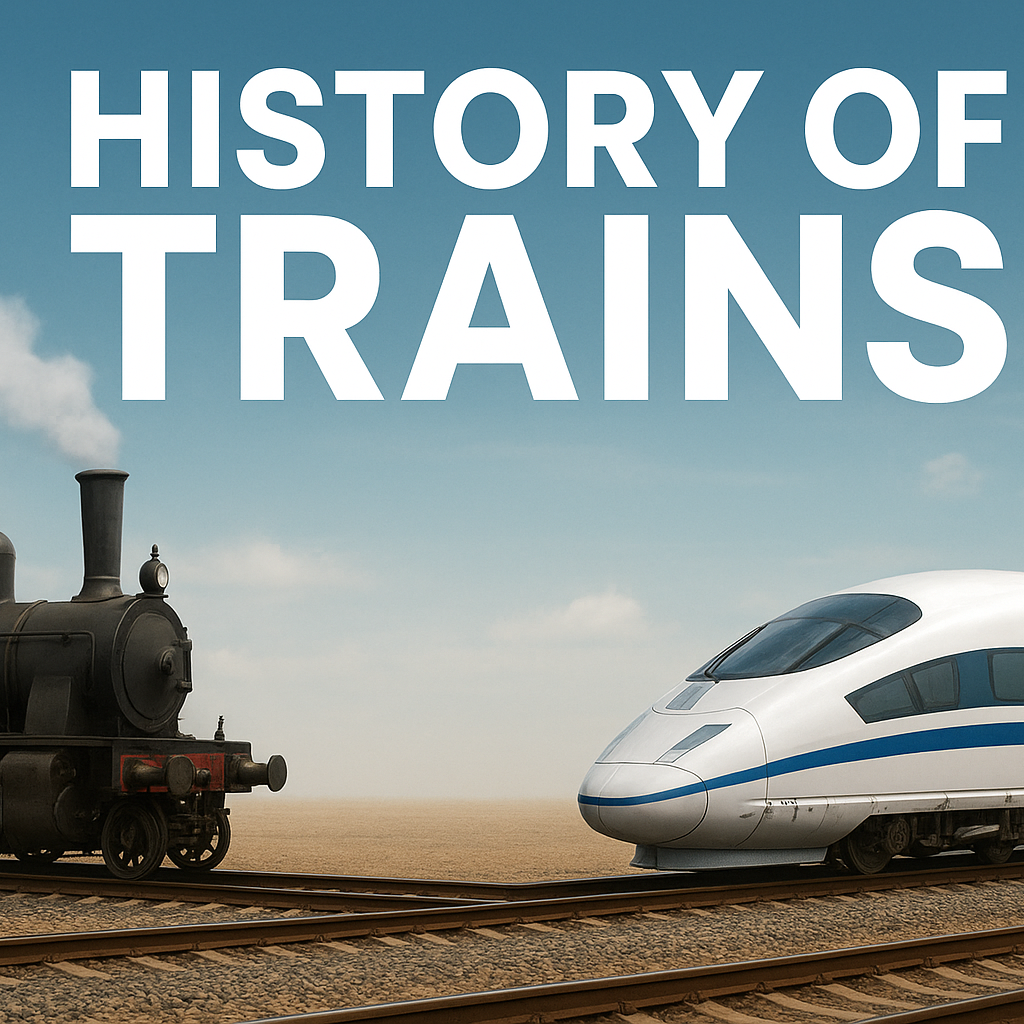
Trains have played a crucial role in shaping modern transportation and continue to remain one of the most reliable and sustainable travel options today. From historic steam locomotives to modern high-speed rail systems, trains are more than just vehicles. They are the backbone of global connectivity. The evolution of trains is a remarkable journey of innovation and engineering. Trains have reshaped transportation by making travel faster, safer, and more accessible. From the smoky steam engines of the 19th century to today’s high-speed trains, railway systems have continuously adapted to meet the demands of growing populations and advancing technology.
The Era of Steam-Powered Trains
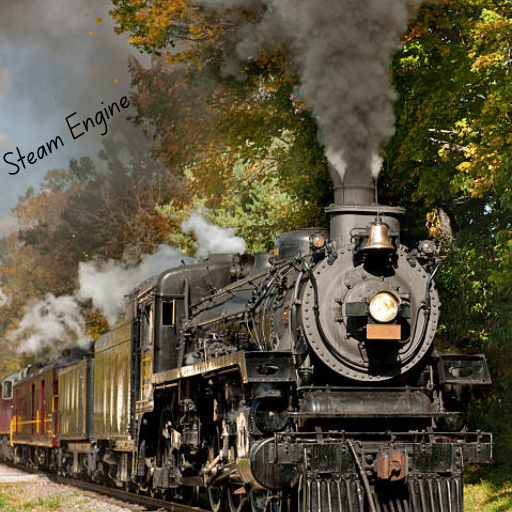
This exciting story of trains began in the early 1800s with the invention of steam locomotives. These early machines used steam pressure generated from boiling water to move heavy loads along metal tracks. Steam trains quickly replaced horse-drawn wagons and became essential for transporting coal, raw materials, and passengers. George Stephenson improved locomotive designs, leading to faster speeds and greater reliability. Steam railways played a major role in the Industrial Revolution by supporting factories and expanding trade routes.
Railways and Global Expansion
As steam technology improved, railway networks spread across Europe, North America, and Asia. Railroads connected cities, ports, and rural areas, allowing goods and people to move efficiently over long distances.
Passenger trains made travel affordable for the general public, while freight trains strengthened national economies. Railways also contributed to urban growth by linking remote regions with major commercial centers.
Shifting to Diesel and Electric Trains
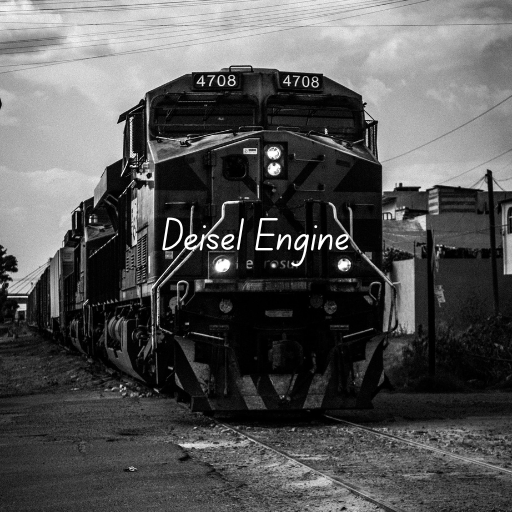
By the early 20th century, steam locomotives began to decline due to high fuel costs and maintenance issues. Diesel trains emerged as a more efficient alternative, offering greater power and lower operational expenses.
Soon after, electric trains transformed railway systems even further. Powered by overhead lines or third rails, electric trains are cleaner, quieter, and capable of higher speeds. Today, most urban and intercity rail networks rely on electric technology.
The Rise of High-Speed Rail
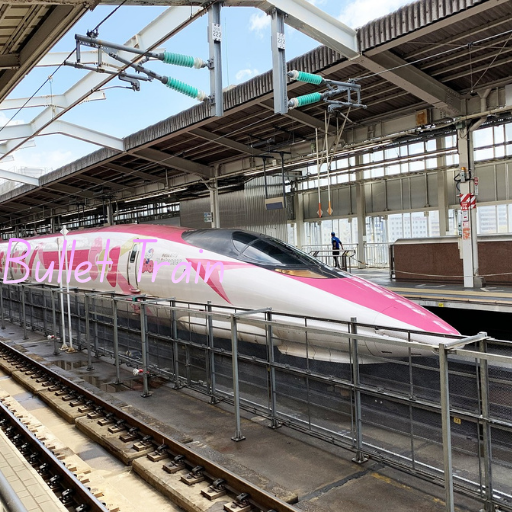
High-speed rail marked a major milestone in the evolution of trains. Japan introduced the first bullet train in 1964, setting new standards for speed, safety, and punctuality. This success inspired other countries to develop their own high-speed rail systems.
Modern high-speed trains operate at speeds exceeding 300 km/h, reducing travel time and offering a comfortable alternative to air travel. Countries like China, France, and Germany have invested heavily in high-speed rail infrastructure.
Modern Train Technology and Innovation
Today’s trains use advanced digital systems, automatic controls, and enhanced safety technologies. Innovations such as magnetic levitation (Maglev) trains eliminate wheel friction, allowing trains to float above tracks and achieve extreme speeds.
For railway enthusiasts, trains are more than transportation. Train spotting, model railways, photography, and historical research keep the railway culture alive.
Sustainability is also a key focus, with modern trains designed to reduce carbon emissions and energy consumption. Railway engineers continue to focus on sustainability, energy efficiency, and passenger comfort to meet future transportation demands.
Conclusion
Trains are a timeless symbol of progress and connection.The evolution of trains reflects centuries of technological progress and human creativity. From steam-powered beginnings to high-speed electric rail, trains continue to be a vital part of global transportation.Whether you are a traveler, commuter, or train enthusiast, trains offer more than a journey
As innovation continues, railway systems will remain a reliable, efficient, and environmentally friendly solution for future travel needs.